July 22, 2026
Regular roof maintenance plays a major role in protecting the longevity, performance, and value of a home. Your roof is one of the most important parts of the structure, shielding the interior from rain, wind, heat, snow, and debris. When it is cared for consistently, it can support better energy efficiency, reduce moisture risks, and help prevent sudden repair expenses. A trusted roofing contractor can also help homeowners understand which maintenance tasks are most important for their roof type, climate, and property condition.
The Basics of Roof Maintenance
Routine inspections are one of the best ways to detect problems before they grow into major concerns. Homeowners should look for missing shingles, cracked flashing, loose gutters, sagging areas, and signs of water intrusion. Even small defects can worsen over time if moisture reaches the underlayment or attic space. Scheduling inspections at least twice a year, especially after severe weather, helps keep the roof in stable condition.
Common roof issues often include damaged shingles, clogged drainage systems, moss growth, soft spots, and leaks around chimneys, skylights, and vents. These problems may seem minor at first, but they can lead to mold, insulation damage, and structural deterioration. A roofing contractor can identify hidden concerns that may not be visible from the ground, giving homeowners a clearer picture of their roof’s condition.
Safe Tools and Maintenance Planning
Roof care requires the right tools, techniques, and safety precautions. Ladders, gloves, soft-bristle brushes, gutter scoops, and roof-safe cleaners can help with basic maintenance, but working at height always carries risk. Homeowners should avoid walking on steep, wet, icy, or damaged roofs. For more involved repairs, hiring a roofing contractor is safer and more effective than attempting unfamiliar work without proper equipment.
A maintenance schedule helps ensure important tasks are not forgotten. Seasonal reminders can include cleaning gutters in the fall, checking attic ventilation in the summer, inspecting flashing after storms, and removing debris after heavy winds. This organized approach helps prevent avoidable damage and gives homeowners more control over long-term repair costs.
Roof Cleaning Practices
Cleaning the roof helps preserve both appearance and performance. Leaves, branches, pine needles, and other debris can trap moisture against roofing materials. Over time, this moisture can encourage mold, mildew, algae, and rot. Removing debris also allows rainwater to flow properly into gutters and downspouts, reducing the risk of leaks, overflow, and foundation issues.
Gutters and downspouts should be cleaned regularly because they guide water away from the home. When they become clogged, water can back up beneath shingles, spill over siding, or collect near the foundation. Gutter guards may help reduce buildup, but they still need periodic inspection. A roofing contractor can check whether drainage problems are contributing to roof wear or moisture damage.
Moss, Algae, and Safe Cleaning Materials
Moss and algae are common on shaded or humid roofs. Moss can lift shingles and hold moisture, while algae can leave dark streaks that affect curb appeal. Homeowners should avoid pressure washing, harsh chemicals, or abrasive tools that may damage shingles. Instead, roof-safe cleaners and gentle cleaning methods are usually better for preserving roofing materials.
Consistent cleaning and maintenance can significantly improve the lifespan of roofing materials, especially asphalt shingles. According to Home Advisor, asphalt roofing can last 20 to 30 years with routine upkeep. The frequency of cleaning depends on the home’s location, roof type, tree coverage, and weather exposure. Some homes may need annual cleaning, while others may require attention more often.
Preventive Measures for Roof Protection
Preventive maintenance helps strengthen the roof against weather and daily exposure. Roof coatings may reduce UV damage, improve reflectivity, and limit thermal stress. Flashing around joints, valleys, chimneys, vents, and skylights also plays a key role in directing water away from vulnerable areas. When flashing becomes loose or corroded, leaks can form quickly.
Ventilation is another important part of roof protection. Proper airflow helps reduce heat and moisture buildup in the attic. Without adequate ventilation, shingles may age faster, insulation may become damp, and mold may develop. A roofing contractor can evaluate attic airflow and recommend changes that support better roof performance.
Weather and Environmental Factors
Sun, wind, rain, snow, and ice all affect roof condition. UV exposure can dry and weaken materials, while wind can lift shingles and expose the roof deck. Heavy rain may reveal drainage problems, and winter conditions can create ice dams along roof edges. In colder climates, snow removal and proper insulation help reduce stress on the structure.
Trees can also affect roof health. Overhanging branches may scrape shingles, drop debris, or provide shade that encourages moss growth. Keeping branches trimmed improves airflow and reduces the amount of organic material collecting on the roof. These small steps can make routine maintenance more manageable throughout the year.
Repair and Replacement Considerations
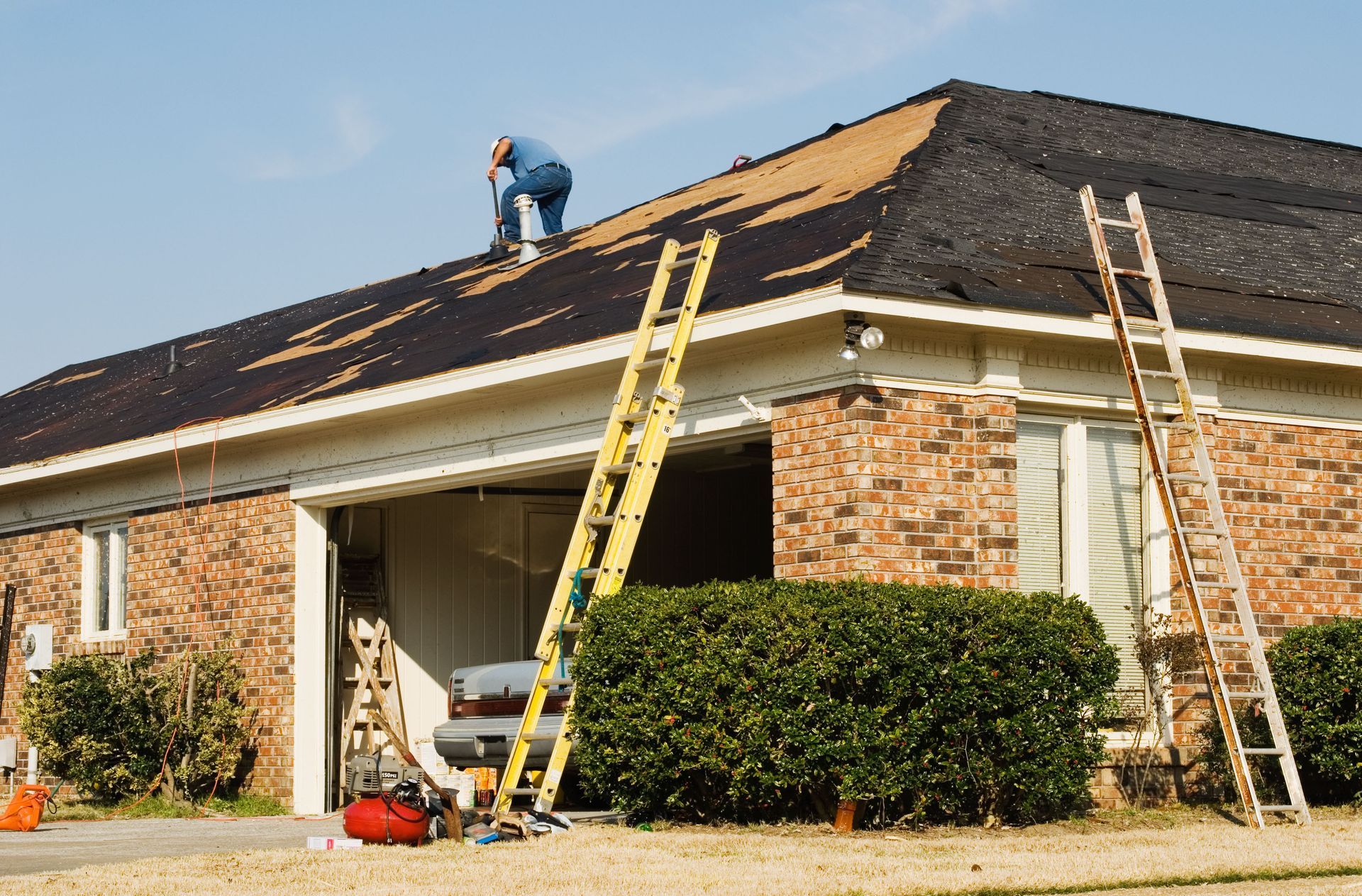
Knowing when repairs are needed helps prevent more serious damage. Warning signs may include curling shingles, water stains on ceilings, missing granules, cracked sealant, soft decking, or recurring leaks. Prompt repairs often cost less than waiting until damage spreads. A roofing contractor can determine whether the issue is isolated or connected to a larger roofing concern.
Repair methods vary depending on the problem. Small leaks may require sealing, flashing replacement, or shingle repair. Worn sections may need targeted replacement, while widespread damage may call for a full roof replacement. The roof’s age, material type, repair history, and overall condition should all be considered before deciding between repair and replacement.
Choosing Quality Roofing Materials
Material quality has a major impact on maintenance needs and roof lifespan. Asphalt shingles remain popular because they are affordable and versatile, while metal, slate, tile, and synthetic products may offer greater longevity. Climate, budget, architectural style, and energy goals should guide the selection process. Investing in durable materials can reduce repair frequency and improve long-term value.
Homeowners should also consider warranties, installation quality, and compatibility with existing roof structures. Even the best materials can fail early if installed incorrectly. A qualified roofing contractor can explain product options, expected lifespan, and maintenance requirements so homeowners can make informed decisions.
The Cost Benefits of Routine Maintenance
Routine maintenance may involve short-term costs, but it often helps reduce larger expenses later. Cleaning, inspections, minor repairs, and ventilation improvements can prevent leaks, rot, insulation damage, and premature replacement. This proactive approach helps homeowners protect their budget while preserving the safety and comfort of the home.
Neglect can become expensive quickly. A small leak may damage drywall, flooring, electrical components, and personal belongings if left unresolved. Moisture can also create mold concerns and reduce indoor air quality. By addressing problems early, homeowners can avoid emergency repairs and maintain stronger control over long-term property care.
Technology and Modern Roof Maintenance
New technology has improved how roofs are inspected and maintained. Drones can capture detailed images of difficult-to-reach areas without requiring direct roof access. Smart sensors may detect moisture, temperature changes, or structural concerns before they become visible. These tools help make inspections safer, faster, and more accurate.
Modern roofing materials are also evolving. Solar-reflective shingles, synthetic tiles, recycled products, and energy-efficient coatings can improve performance while supporting sustainability. Green roofing options and solar-integrated materials may become more common as homeowners look for efficient and environmentally conscious upgrades.
Protecting Your Roof for the Future
Proactive roof maintenance is one of the most practical ways to extend roof life and reduce unexpected costs. Regular inspections, safe cleaning, proper drainage, ventilation checks, and timely repairs all contribute to better long-term performance. When homeowners stay consistent with care, the roof is better prepared to handle changing weather and seasonal stress.
Working with a knowledgeable roofing contractor provides added confidence when repairs, inspections, or replacements are needed. With the right maintenance plan, homeowners can protect their investment, improve curb appeal, support energy efficiency, and preserve the structural integrity of their home for years to come. Contact our team at Westendorf Construction Roofing & Fencing today and learn more about our roofing services.