March 5, 2026
Replacing a roof is a significant home improvement project that requires careful planning and preparation. This guide provides a comprehensive overview to help you understand the essential steps and considerations involved in preparing for a roof replacement. From evaluating your existing roof's condition to selecting the best materials and contractors, each step is crucial to a successful roof replacement experience.
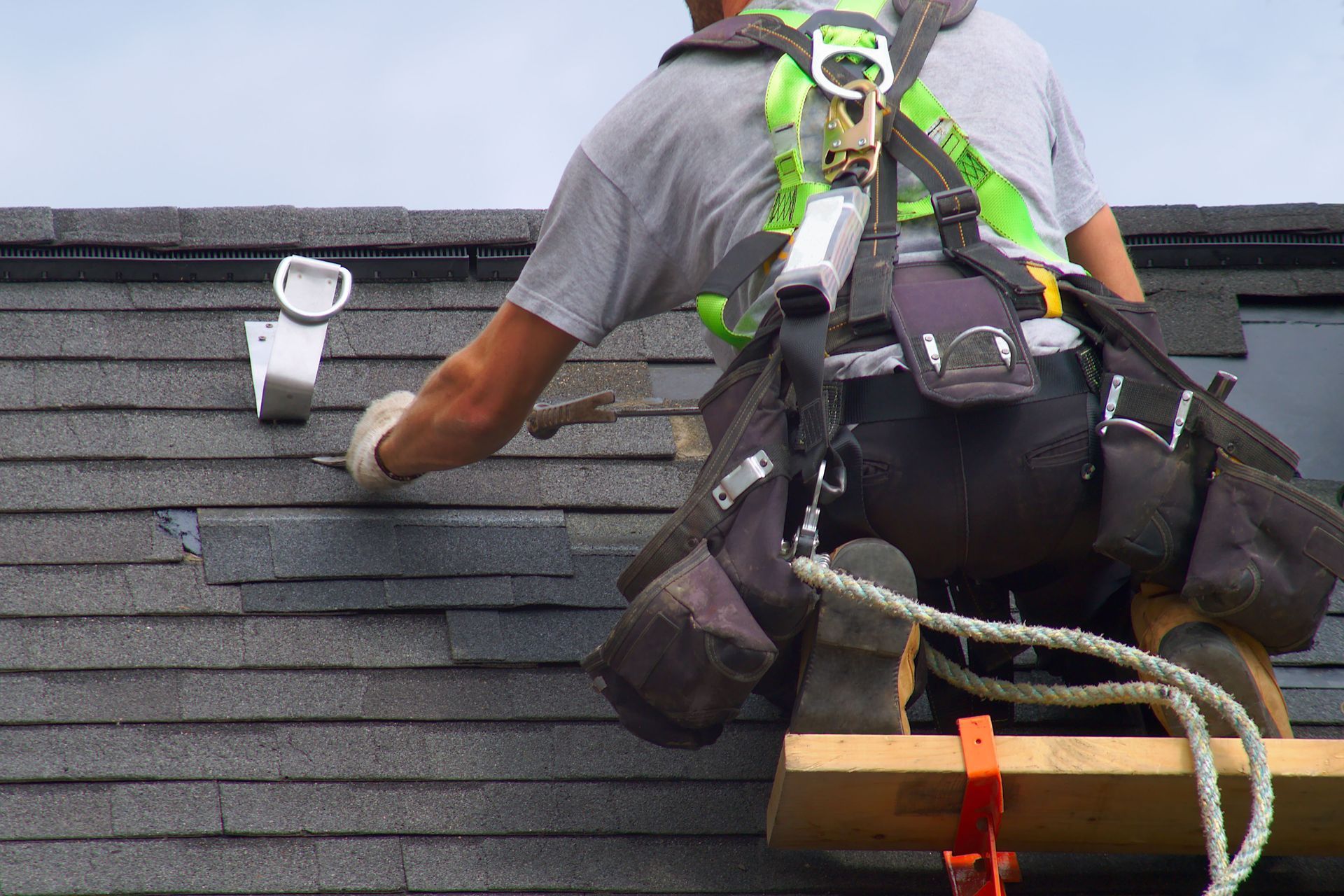
Homeowners must be proactive in dealing with roof replacements to prevent potential issues in the long run. Hiring roofers can help you create a solid plan and save time and expenses in the long run. By breaking down the process into manageable steps, this article aims to guide you through a seamless preparation journey for your roof replacement.
Evaluate Your Roof's Current Condition
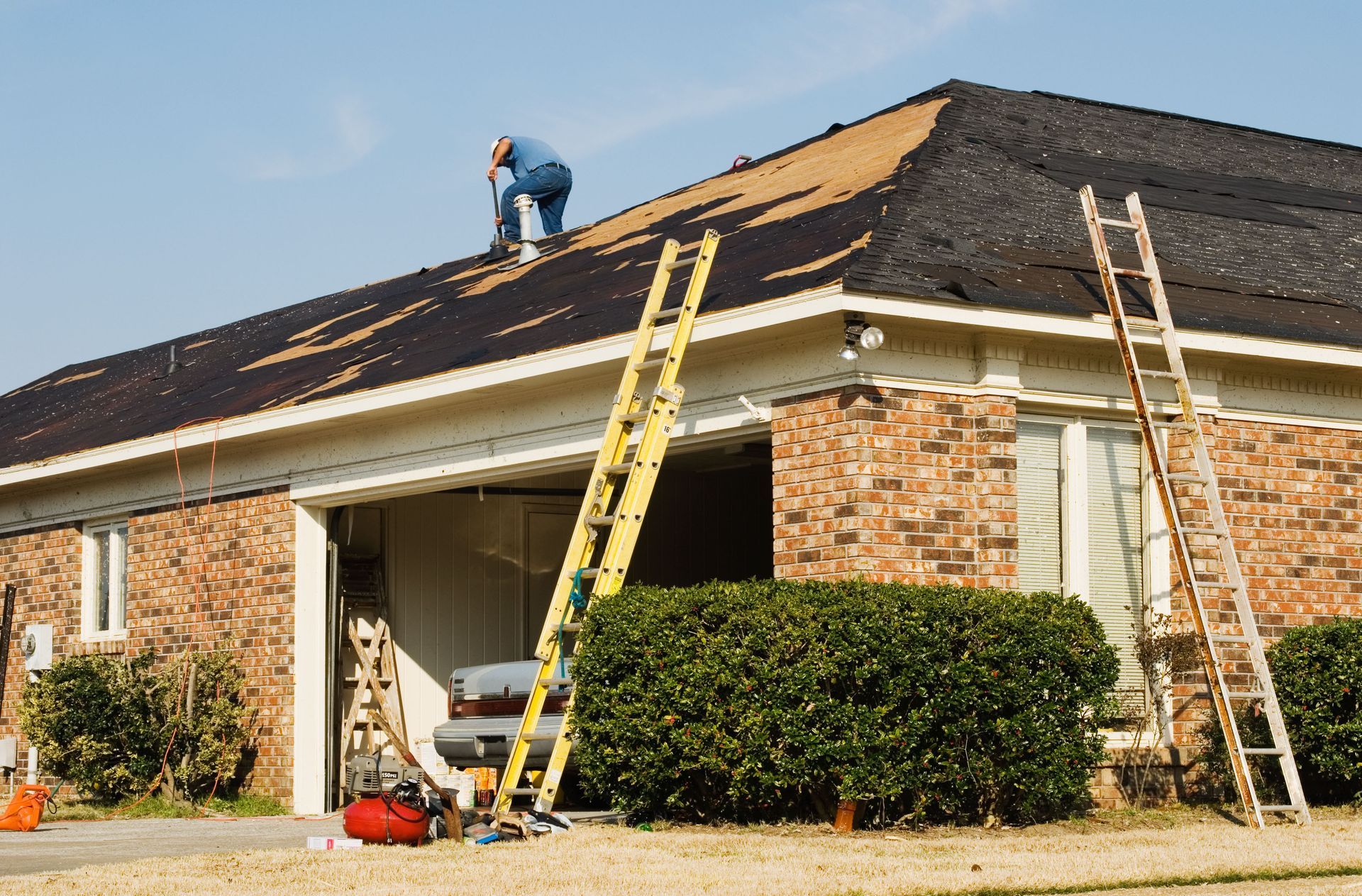
Begin by visually inspecting your roof for noticeable signs of damage, such as missing or cracked shingles, sagging areas, or apparent water stains. Look for any signs of wear or tear that could indicate potential problems. Observing discoloration or moss growth may also suggest underlying issues with moisture retention. You must address minor issues promptly to prevent extensive damage. Regular inspections can alert you to problems early, helping maintain the roof's overall health.
A bi-annual roof inspection can also serve as a preventive measure to mitigate the risk of severe weather-related damages. Professional roofers offer insights that may not be visible to the untrained eye. Keep an eye out for roof granules in gutters as these may signal the end of your shingles' life cycle. Inspections ensure accountability to the integrity of your roofing, potentially saving you from costly repairs. Restoring or replacing a roof becomes a more manageable task when approached with forethought and diligence.
Understanding your roof's age and the typical lifespan of the roofing material in use is crucial. In our experience, asphalt shingles are a popular choice that can last between 20 and 30 years, while metal roofing can last around 50. A roof nearing or past its lifespan should be a priority for replacement to avoid unexpected failures. In assessing age, review purchase documents or records if available. This longevity knowledge supports planning and budget allocation for the replacement project.
Being aware of your roof's age assists in anticipating potential problems and the timing for roof replacement. Lifespan variances occur among different roofing materials; hence understanding this timeline prolongs the current roof's functionality while preparing for future needs. Factor in the impact of environmental conditions, such as exposure to severe weather, on your existing roof. Regularly reviewed data from roofers allows homeowners to make decisions proactively instead of reactively addressing emergency repairs. Transitioning from old to new becomes smoother with awareness and planning in play.
Determine Your Budget
When planning a roof replacement, estimating the cost of materials is essential for setting a realistic budget. Different materials come with varying price tags, with asphalt shingles being more economical compared to slate or tile. Understanding the size of your roof area is vital; according to Roofer's Guild, the average residential roof in the United States is around 1,600 square feet, which directly affects the total material needed. Prices can fluctuate based on market conditions, availability, and the region you are located in.
Research current market prices for the roofing material of your interest. This information allows you to compare options and make decisions that align with your financial constraints. Some homeowners might prioritize premium materials willing to accommodate higher initial replacement expenses for long-term benefits. Others may focus on cost-effective solutions to conform to immediate budget limits. Crafting a balance between quality, aesthetics, and financial feasibility involves thorough preparation.
Labor expenses from roofers are another significant aspect when budgeting for your roof replacement. Contractor's fees can vary widely based on expertise, project complexity, and geographic location. The amount of time required and the level of difficulty also play roles in determining labor costs. It's crucial to obtain quotes from several contractors to understand the going rate for your specific needs. Knowing the standard pricing for labor can help you avoid being overcharged and ensure you're paying a fair price.
Many contractors might offer a comprehensive package that includes both materials and labor expenses. When evaluating these packages, scrutinize the breakdown between material and labor costs to ensure transparency. Consider any additional costs that may arise for necessary repairs pre-replacement, as these could impact the total budget.
Contractor bookings might necessitate pre-scheduled timelines, and often, seasonal peaks can impact labor availability and pricing. Aligning your project timeline outside of peak demand periods could yield cost-saving opportunities. However, ensure this aligns with your immediate roofing requirements to avoid the risk of prolonged exposure. The starting time and duration of labor influence not only costs but convenience factors for your household. Clarity and communication with roofers throughout the process lead to trustworthy collaborations, further safeguarding your roof replacement budget.
Research Roofing Materials
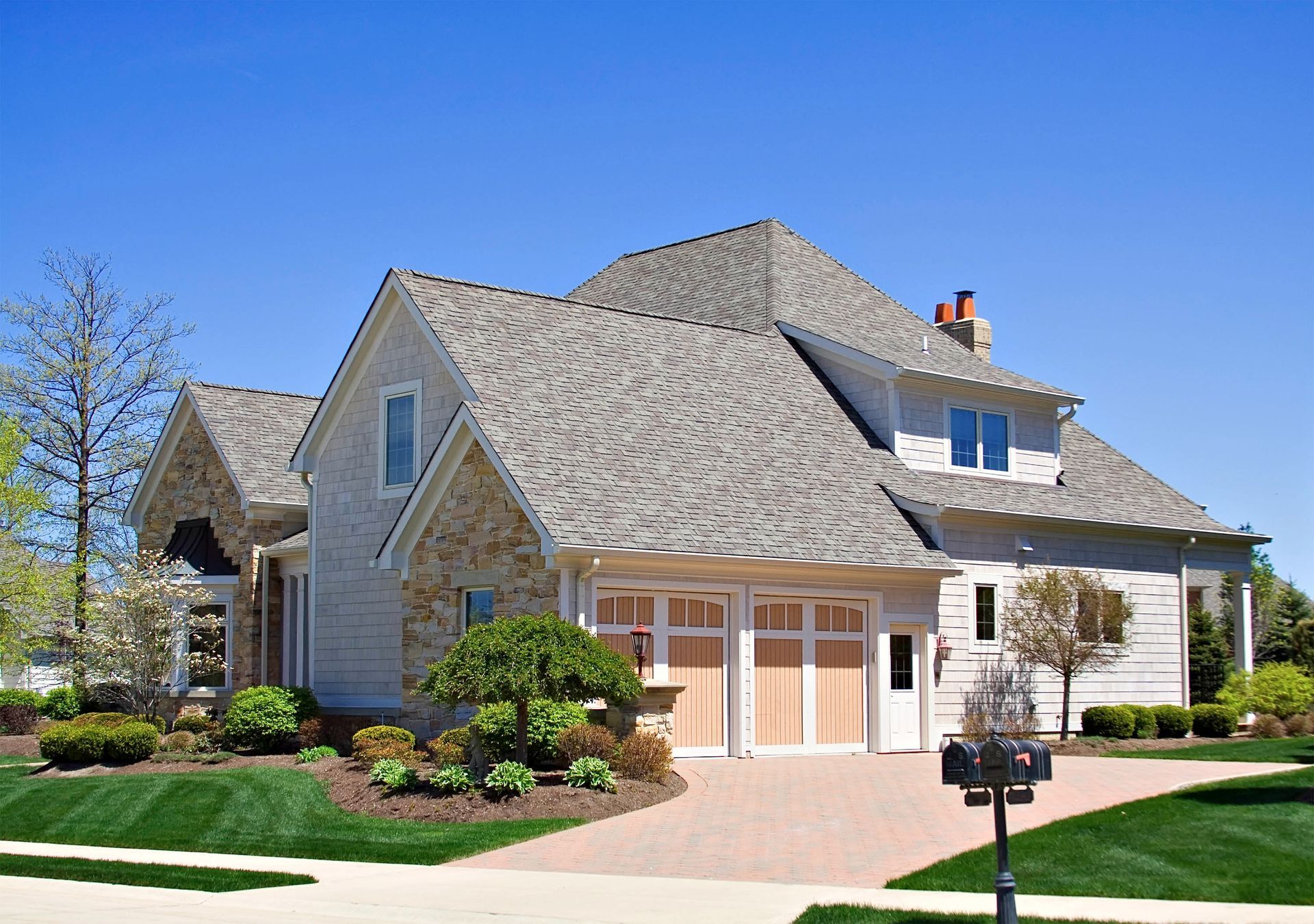
Understanding the types of roofing materials available is foundational to making informed decisions regarding your roof replacement. The most common materials include asphalt shingles, metal roofing, tile, slate, and wood shakes. Each material brings distinctive advantages, price points, and aesthetic attributes to complement personal preferences and architectural styles. Asphalt shingles remain a popular choice due to affordability and ease of installation. Alternative options offer diverse appeal for tailoring roof replacement to specific needs and preferences.
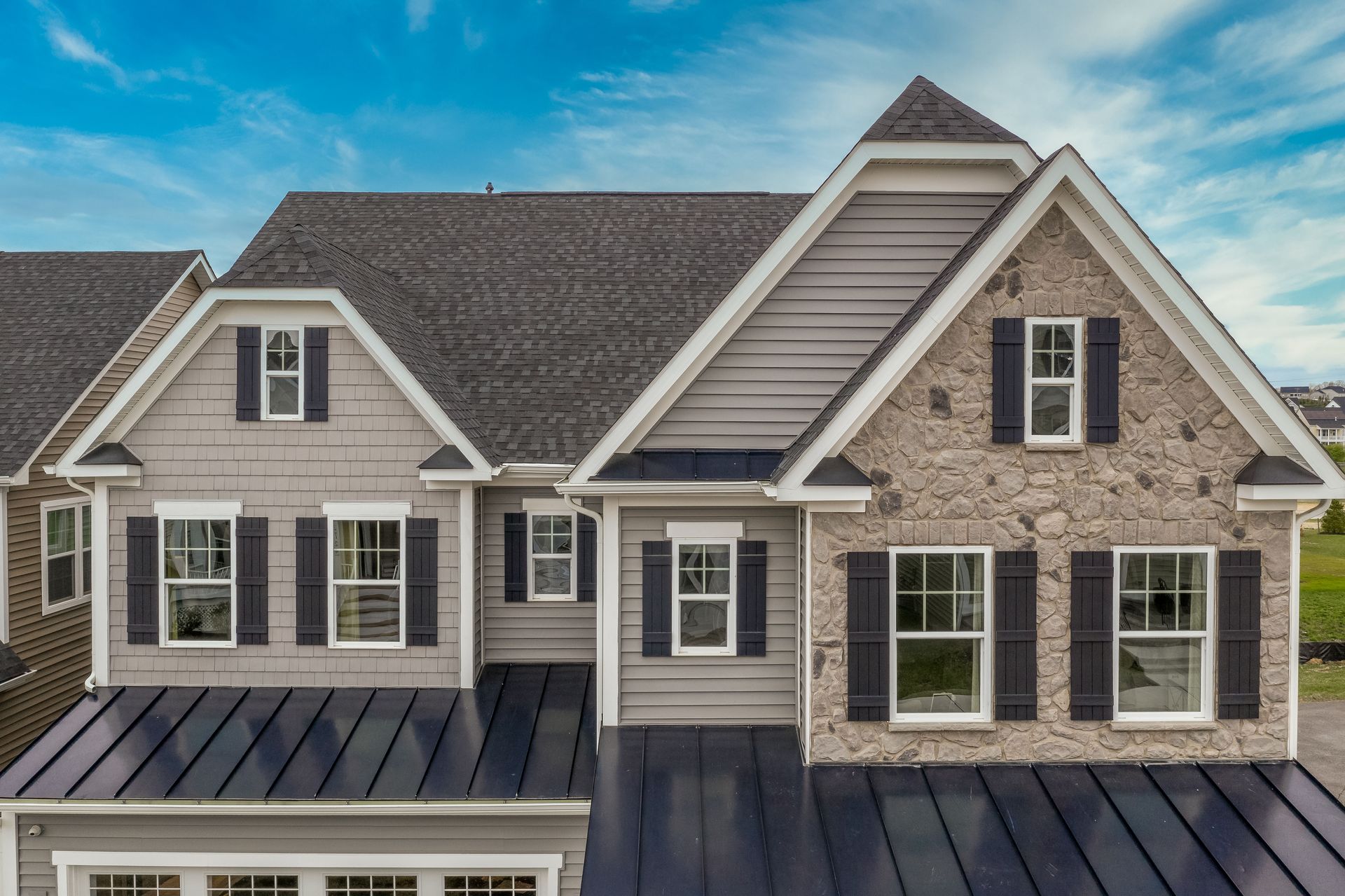
Material selection showcases unique components such as wide color selections, flexibility in design structure, and durability under various climate conditions. Your home's architectural style can often influence the decision on the most suitable material. Research into these options provides insights into benefits like longevity, fire resistance, and maintenance ease. Metal roofing has gained popularity for its long-lasting nature and modern aesthetics. Wooden shakes appeal for their rustic charm but may require more upkeep, especially in regions with moisture fluctuations.
It's always a good idea to consider the different materials that roofers use and figure out which one works best for your needs. Asphalt shingles offer cost efficiency and are widely available, but they may not last as long in climates with extreme weather conditions. Metal roofing boasts excellent longevity and environmental benefits but could be more expensive and might have noise implications during rain. Tiles provide exceptional durability and aesthetic appeal but come with higher installation costs due to their weight. Understanding these pros and cons helps tailor your choice to suit budget constraints and environmental considerations.
Slate roofs offer low maintenance and long-lasting durability but represent one of the most expensive options and require skilled installation. Wood shakes deliver appealing aesthetics with natural insulation properties but can be susceptible to fire and rot without adequate treatment. Reviews, expert analyses, or personal consultations can clarify these characteristics, ensuring supervision by existing structures or municipal coding requirements. Your evaluation encompasses these advantages and disadvantages contextualized against procurement options, creating clarity among diverse roofing paradigms. With guided insights, your choices can reflect thorough assessments integrated seamlessly into your project planning.
Preparing in advance for your roof replacement can help the entire process move smoothly and minimize stress for you and your family. By clearing the work area, protecting valuables, and understanding the timeline, you set the stage for a successful project from start to finish. Open communication with your roofers ensures expectations are clear and any concerns are addressed before work begins. Taking these proactive steps also helps safeguard your property and keeps the project on schedule. When you are ready to move forward, contact Westendorf Construction Roofing & Fencing to schedule your consultation and take the first step toward a strong, reliable new roof.