November 10, 2026
Roof repair speed is influenced by a multitude of factors, ranging from the severity of the damage to external conditions such as weather and availability of resources. The urgency of repair needs, the complexity of roofing systems, and the efficiency of insurance processes are all critical elements impacting how fast a roof gets fixed. This article delves into these factors, providing a comprehensive understanding of what property owners can expect when it comes to roofing repairs.
Severity and Type of Roof Damage
Damage Identification Through Inspections
Identifying the severity and type of roof damage is the first crucial step in determining repair speed. Comprehensive roof inspections are essential, as they allow homeowners and professionals to ascertain the extent of damage accurately. Inspections typically involve checking for visible problems, such as missing shingles or leaks, and less apparent issues that could signal more serious structural damage. Professional inspections provide a reliable assessment and are imperative for planning the repairs efficiently and accurately. With an accurate inspection report, a clear timeline for repairs can be established, setting expectations for both time and cost.
Impact of Damage on Repair Complexity
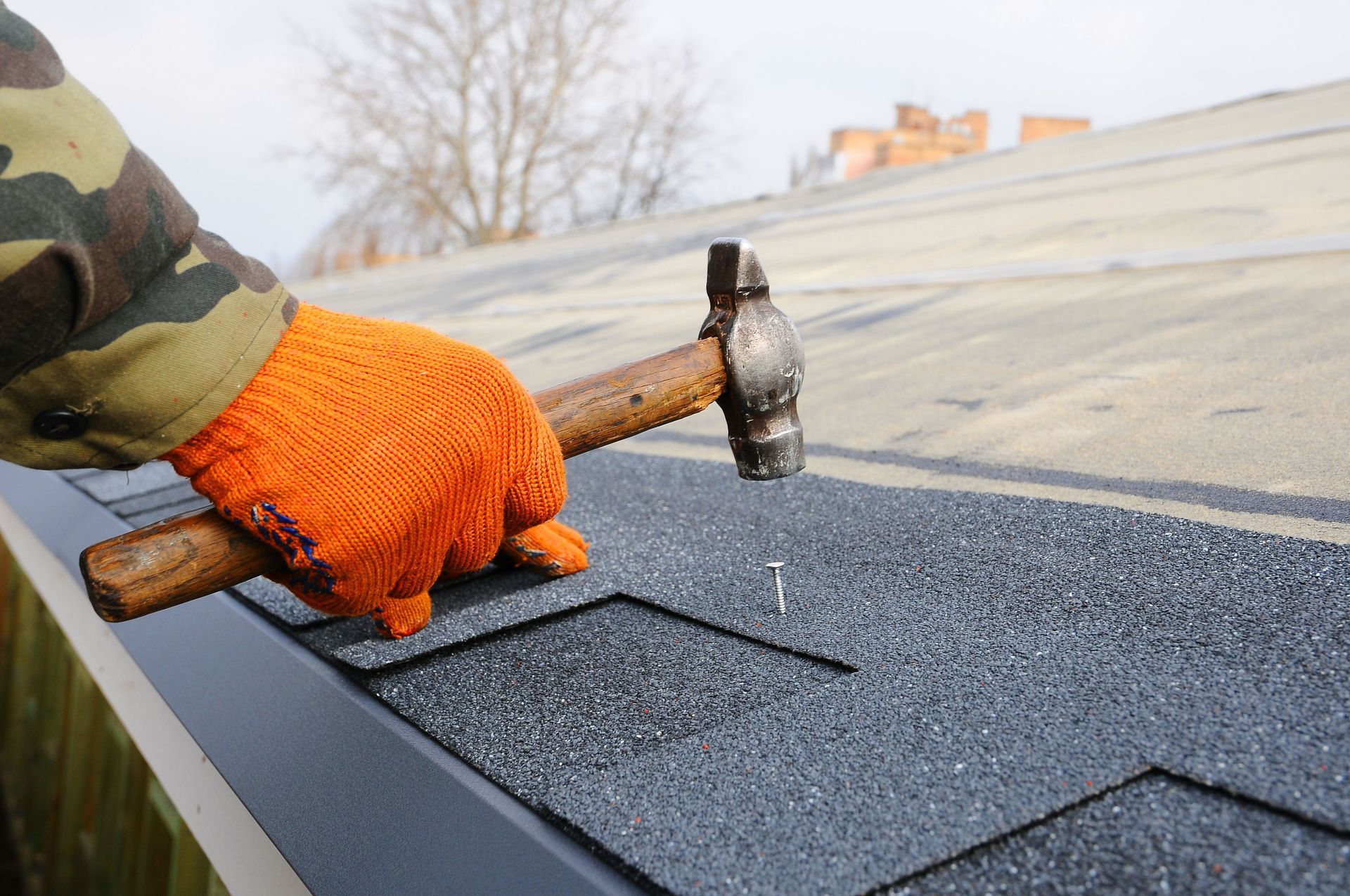
The complexity of the repair process largely depends on the type and severity of the roof damage. Simple issues, like replacing a few damaged shingles, can be resolved fairly quickly. In contrast, more complex tasks, such as repairing structural damage or a sagging roof, require extensive labor and can extend the repair duration to several days. According to Home Advisor, minor repairs may take only a few hours, whereas complex cases can take up to four days to complete. This distinction between simple and complex repairs underscores the importance of early identification and assessment.
Differences Between Urgent and Non-Urgent Repairs
Urgency plays a pivotal role in determining repair timelines. Urgent roofing repairs, such as those needed after severe weather conditions or urgent leaks, require immediate attention to prevent further property damage. Such repairs often necessitate fast-tracking resources, including labor and materials, which can, in turn, increase the costs. Non-urgent repairs, like aesthetic modifications or minor damage, allow for more flexible scheduling and usually result in lower repair costs. Understanding the urgency can help homeowners prioritize tasks and allocate resources effectively, ensuring prompt responses where necessary.
Specialized Equipment Needed for Various Damage Types
Specialized equipment can significantly affect how fast roof damage is addressed. For instance, complex repairs might require advanced equipment like cranes or specialized safety gear, which could take time to arrange. The availability and accessibility of such equipment directly influence repair timelines, as delays in equipment procurement can hold up work. Some types of damage necessitate specific tools to ensure safety and quality in repair efforts.
Weather Conditions
Seasonal Weather Patterns
Seasonal weather patterns have a direct impact on the timing and success of roof repair projects. Certain seasons offer favorable weather for roofing repairs due to predictable conditions, such as the dry windows of late spring or early autumn. Conversely, harsher winter conditions or heavy summer rainfall can delay projects and extend repair timelines. Contractors often use historical weather data to predict optimal repair windows, minimizing weather-induced complications. This planning helps to manage expectations and align project schedules with favorable seasonal patterns.
Weather Impact on Roofing Materials
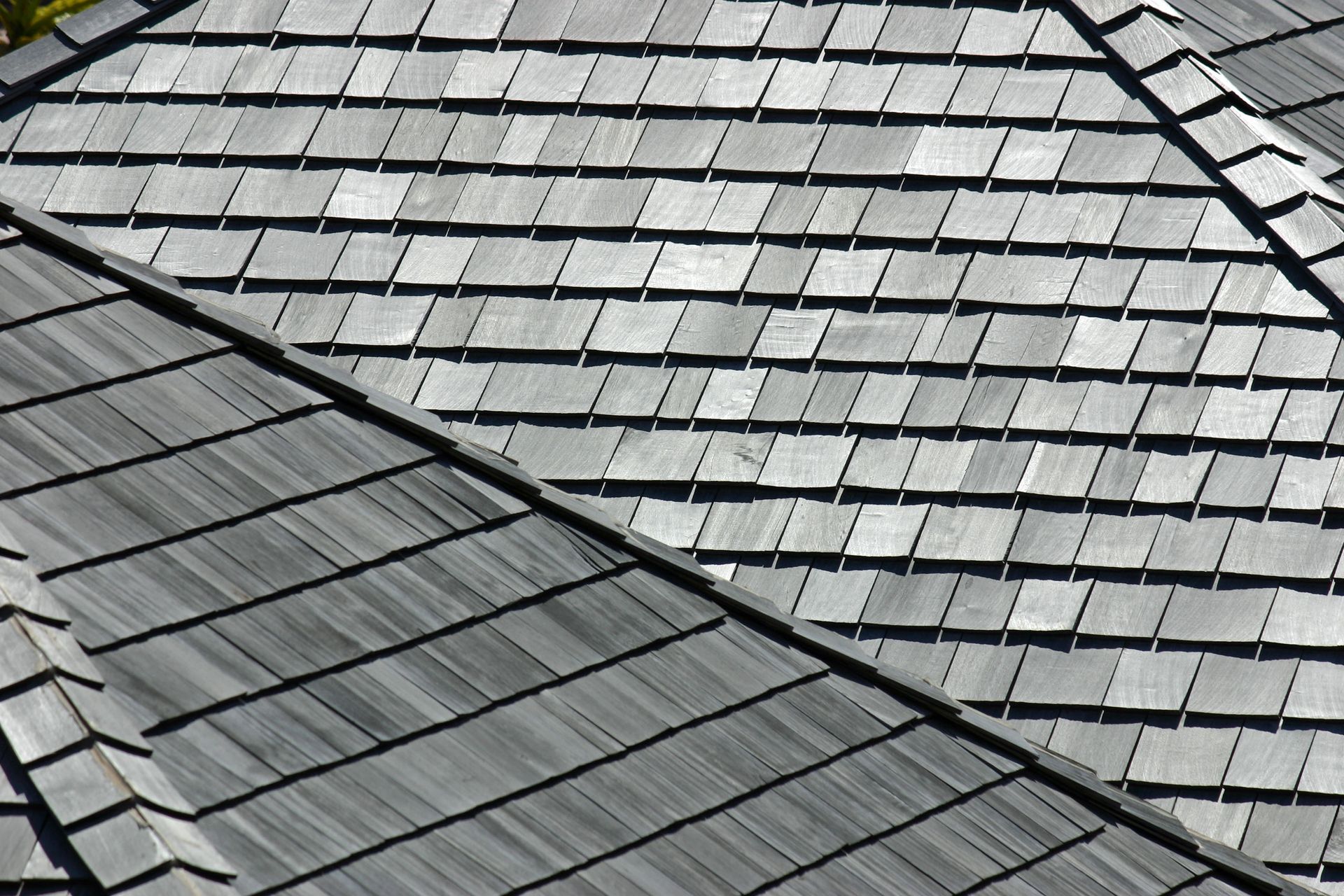
Different roofing materials respond to weather conditions distinctively, affecting the repair process. For instance, asphalt shingles can become brittle in cold conditions, whereas sealants may fail in hot weather. Such material sensitivities require careful consideration during repairs and replacements to ensure long-term durability. Timing repairs around these weather constraints can help avoid unnecessary damage to materials, optimizing repair effectiveness. Understanding these impacts enables homeowners to choose appropriate materials that can withstand local climatic conditions, enhancing roof longevity.
Delays Due to Rain, Snow, or Wind
Adverse weather conditions such as rain, snow, or high winds can cause unpredictable delays in roof repair projects. Rain can not only halt work but also exacerbate existing water damage, complicating repairs further. Snow accumulations can make surfaces hazardous for workers, prolonging timelines due to added safety precautions. High winds can make it unsafe to work on rooftops, leading to stalled progress. Contractors incorporate weather forecasts into planning to minimize downtime and ensure that conditions are safely navigated as repairs proceed.
Weather Change Predictions for Planning Repairs
Advancements in forecasting technology allow contractors to better anticipate weather changes to schedule roofing repairs efficiently. By using detailed weather models, project managers can identify potential disruption periods and plan around them. This proactivity in planning is crucial for minimizing weather-related delays, ensuring that projects are completed within expected timeframes. Contingency plans often involve flexible scheduling and strategic work allocation to accommodate unexpected weather events. This adaptability allows for smoother project execution, even in the face of weather uncertainties.
Availability of Skilled Labor
Labor Shortages in the Roofing Industry
The availability of skilled labor is a key determinant in roof repair timelines, with shortages posing notable challenges. The roofing industry oftentimes contends with fluctuations and scarcity in labor, impacting project advancements significantly. These labor shortages can lead to longer wait times for repairs, particularly during peak construction seasons. As demand outweighs supply, costs may also rise, affecting affordability for homeowners. Addressing labor shortages through workforce development and training initiatives can enhance repair timelines and service reliability.
The Role of Local vs. Out-of-Town Contractors
The choice between hiring local contractors versus out-of-town specialists has tangible effects on project duration and quality. Local contractors usually provide faster service due to proximity and informed understanding of regional conditions and needs. However, hiring specialized out-of-town contractors might be necessary for complex repairs not within the capabilities of local professionals. While this might extend timelines due to travel and coordination needs, it can result in a higher-quality repair. Understanding these dynamics enables homeowners to make informed choices for efficient project execution.
Experience vs. Speed
The experience of the roofing team has a significant influence on balancing speed and quality in roofing repairs. Experienced professionals are adept at problem-solving, swiftly navigating issues that might otherwise stall progress, yet can incur higher costs. Less experienced teams might promise faster delivery but can compromise on quality and durability, raising the chance of repeat issues. Striking a balance between these aspects ensures that speed does not come at the expense of roof integrity. This balance is crucial for timely and effective repairs, offering sustainable solutions to roofing issues.
Training and Certification for Roofing Professionals
Investing in quality training and certification for roofing professionals is vital to maintain high standards and improve workforce readiness. Well-trained and certified professionals are more adept at employing the latest repair techniques, enabling faster and more reliable repairs. Workforce readiness programs and industry certifications ensure a steady stream of skilled labor entering the market, helping to balance supply and demand. Increased knowledge leads to efficient problem-solving and heightened productivity on the job. A focus on continuous learning within the industry is beneficial for all stakeholders, boosting capacity and innovation.
Various factors, including the severity of roof damage, prevailing weather conditions, availability of skilled labor, complexities in material procurement, complexity in roof design, and the efficiency of insurance processes, cumulatively determine how quickly roofing repairs can be completed. A multifaceted approach, integrating expertise across these domains, is necessary for timely and successful roof repair projects. Contact Westendorf Construction INC today for roofing repairs.